Thriller
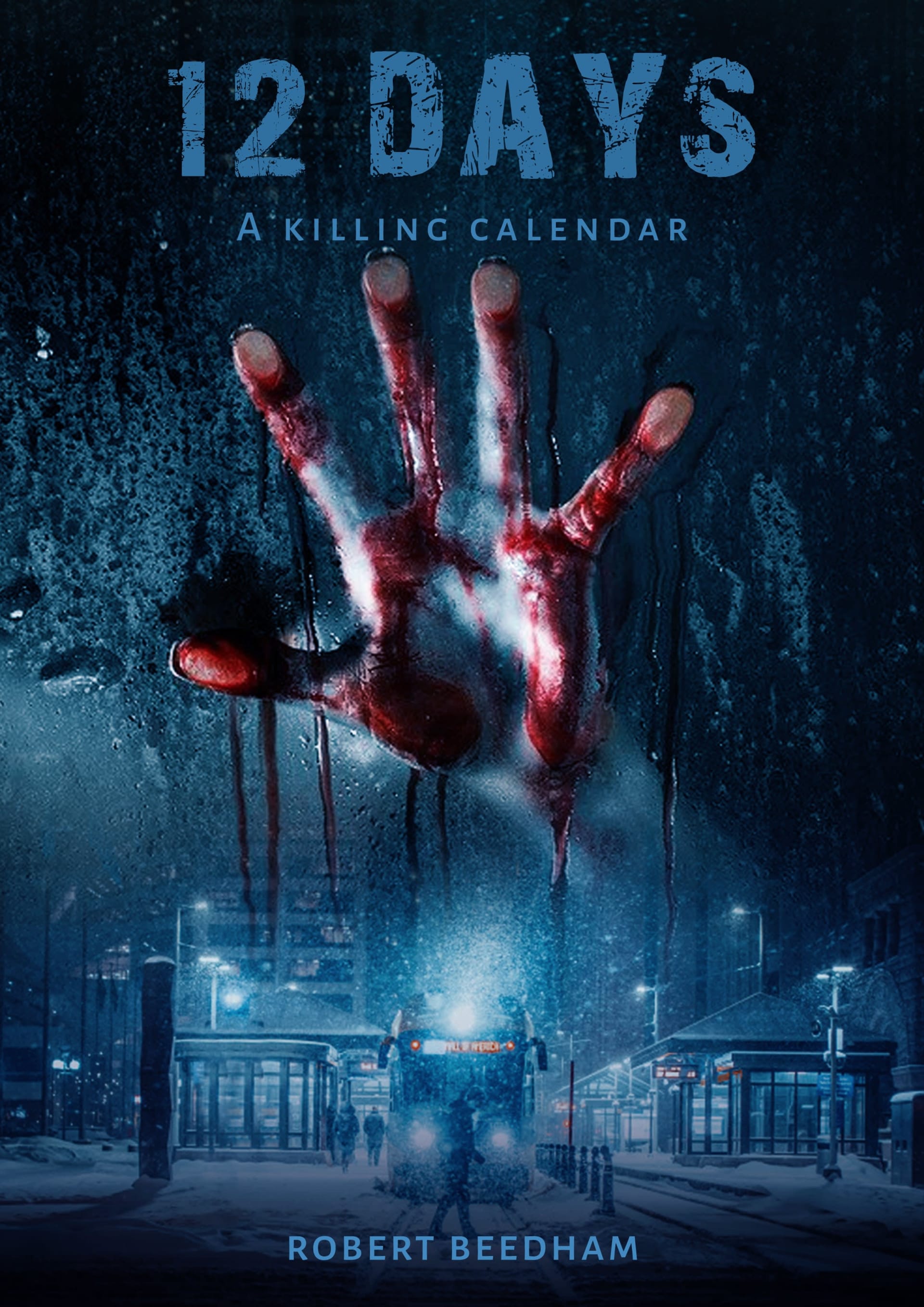
12 Days — Thriller movie poster design
A countdown thriller needs the clock to be felt before the title is read.
Read the case study Start a project
 Key art is the single visual concept that anchors an entire marketing campaign — it gets adapted into the theatrical poster, streaming thumbnails, social assets, billboards and trailer cover art. Get the key art right and everything downstream becomes easier to design and more consistent to audiences.
A poster is one specific output. Key art is the underlying system it comes from — the same core visual, typography and color language reused consistently across every format your campaign needs, from a single billboard to a full digital rollout.
If you only need a festival one-sheet this month, say so. We still design it so a later 16:9 crop is possible. If you are launching theatrical, streaming, and paid social in the same window, lock the key art first. Changing the hero image after ads are live means re-grading, re-titling, and re-approving every size. That costs more than briefing the system on day one.
A practical campaign package is a layered master, a flattened print PDF for a US 27×40 one-sheet at 300 DPI, a 1920×1080 streaming image, 1080×1080 feed art, and 1080×1920 stories. Some distributors also want 1400×2100. Confirm before lock so you are not paying for a second design pass. First concepts typically arrive in 24–48 hours; revisions stay unlimited until approval.
The difference is explained in full in key art vs movie poster and the sizes and formats guide. Use those pages to brief us in one sentence: the sizes you need, the deadline, and the stills you can clear.
Producers and marketing teams who know the film will live in more than one rectangle. If a sales agent, streamer, or festival will ask for a package, you are buying a system even if you only print one poster this month. Independent productions use the same workflow as larger campaigns: one lock, then crops. There is no minimum budget to start.
Key art is the wrong product only when you need a one-off graphic that will never be cropped — a title card inside the film, for example. For anything the public sees on a wall, a grid, or a story, start here. Photo manipulation and title treatment are part of this lock, not add-ons you bolt on after the poster is “done.”
We start with audience, platforms, and the one-second sell. First concepts typically arrive in 24–48 hours as distinct directions, not twelve versions of the same composite. You pick a lane. We refine until approval. Unlimited revisions means approval, not a revision pack — if the brief itself changes (new lead, new genre), we re-scope.
Before lock we test the wordmark at about 200 pixels wide and check 16:9 with fake platform UI over the lower third. That is cheaper than discovering the title vanishes after you have already spent on ads. Print stays 27×40 inches at 300 DPI with a layered master so laurels and billing can move.
Independent-film planning ranges for a full key art campaign often sit around $1,500–$6,000+ depending on composites, title complexity, and how many sizes you need. A single theatrical poster is commonly $400–$2,500. These are not a public rate card. Drix quotes against your deliverable list. Rush festival dates are quoted on top. Read the cost guide and the briefing guide before you compare three quotes that are not the same product.
Thriller
A countdown thriller needs the clock to be felt before the title is read.
Read the case study
Action
An action title with a counted payload has to feel kinetic without looking like a video-game box.
Read the case study
Sci-Fi
Cerebrum already has a clinical-filmic lockup.
Read the case studyIf you only need a festival one-sheet, say so. We still design it as a master so a later 1920×1080 crop is possible. If theatrical, streaming and paid social launch together, lock key art first — changing the hero after ads are live means re-grading every size.
Typically a layered master, a US 27×40 print PDF at 300 DPI, 1920×1080 streaming art, and 1080×1080 plus 1080×1920 social crops when scoped. Some distributors also want 1400×2100. Confirm the list before lock.
First concepts typically arrive in 24–48 hours. Campaign lock depends on your notes and how many sizes are in the brief. Rush dates are quoted on top.
No. A thumbnail is one crop. Key art is the system those crops come from — type, color, and the core image. See the key art vs movie poster guide for the distinction.
Explore how campaign visuals shift by story type — action key art, thriller poster design, sci-fi movie posters, and horror key art. Independent productions can start with our indie filmmaker poster service.